KeltoVis A+Zinc
Vitamin A + Zinc with a compact reference to supporting nutrients, written for readers who want the label explained plainly.
Formula overview
This guide looks at vitamin A and zinc in the context of a broader nutrient profile. Vitamin A contributes to the maintenance of normal vision. Zinc contributes to the maintenance of normal vision and contributes to the protection of cells from oxidative stress. The wording applies to the individual nutrients and not to the product as a whole.
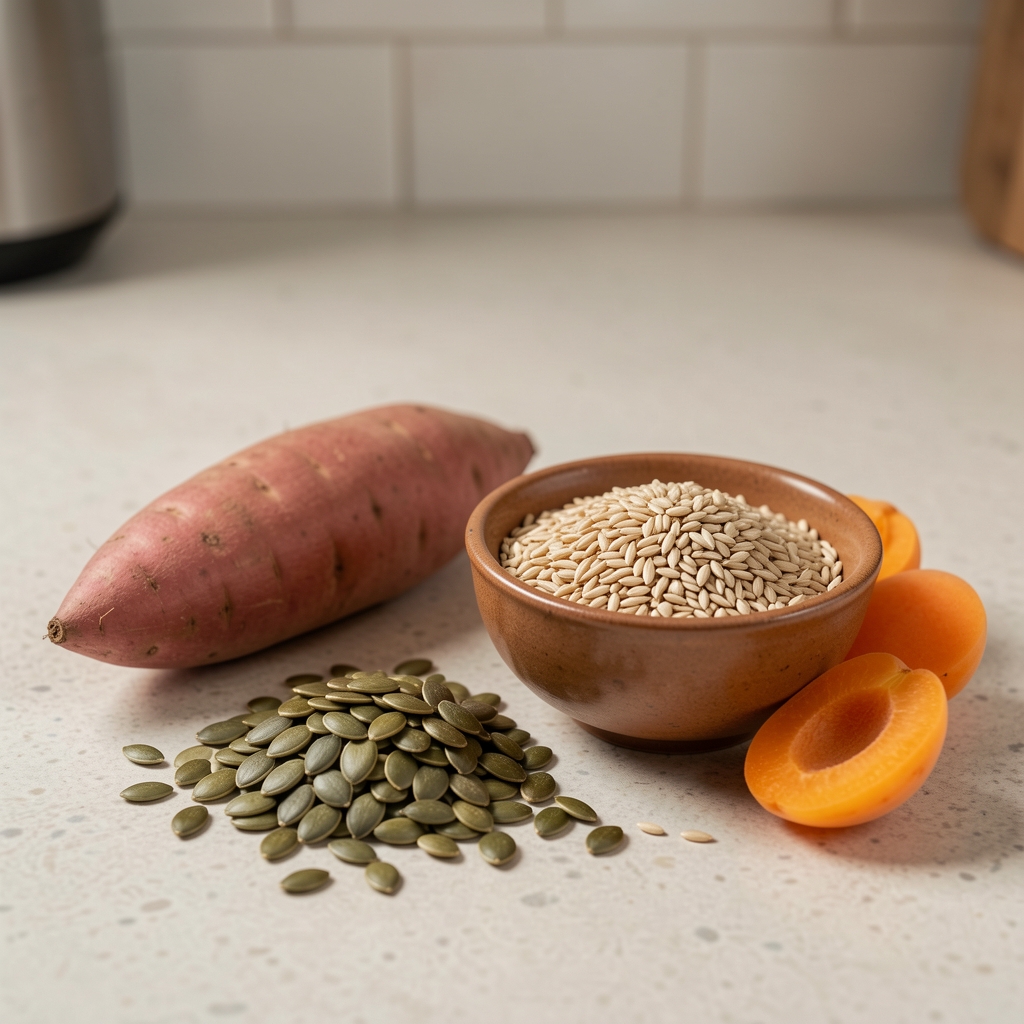
Vitamin A is found in foods such as eggs and dairy, while orange and dark-green vegetables provide carotenoid sources that the body can use in its normal nutrition. Zinc appears in foods including meat, seafood, seeds, legumes and dairy. Dietary variety provides useful context around any label.
Ingredient table.
| Nutrient | Form | Per serving | % NRV* |
|---|---|---|---|
| Vitamin A | Retinyl acetate | 800 µg RE | 100% |
| Zinc | Zinc gluconate | 15 mg | 150% |
| Selenium | Sodium selenite | 55 µg | 100% |
| Vitamin B2 | Riboflavin | 1.4 mg | 100% |
| Copper | Cupric sulfate | 1 mg | 100% |
*NRV = Nutrient Reference Value (EU Reg. 1169/2011).
How each nutrient compares to its daily reference.
A short checklist for this formula.
- Confirm whether a serving means one capsule or more than one before comparing cost.
- Note that zinc appears here at 150% NRV, higher than the 100% used for most other nutrients in this table.
- Check that any other supplements in a routine do not duplicate the same nutrients at a similar level.
- Read the nutrient function wording for each item rather than assuming it applies to the whole product.
- Keep the packaging on hand for the batch number and storage instructions, which are not repeated on this page.
I finally understood why the zinc percentage looked different from the others on the box.
The glossary helped me follow the table without looking anything else up.
Useful for comparing two products before deciding which label made more sense for our kitchen.
Nutrient notes
Riboflavin B2 contributes to the maintenance of normal vision. Selenium contributes to the protection of cells from oxidative stress. The presence of several nutrients does not turn a food supplement into a replacement for a varied diet.
When comparing products, readers can look at the amount per serving rather than relying on the prominence of a front label. It is also useful to note whether a serving means one unit or several, and to keep the product instruction leaflet for storage and use details not repeated here.
A few points readers ask about this guide.
Why is zinc listed at 150% NRV?
The formulation for KeltoVis A+Zinc includes zinc gluconate at a level equal to 150% of the Nutrient Reference Value used on South African and EU-aligned labelling.
Does copper have a vision-related claim?
No. Copper is listed here as a supporting mineral without an eye-related nutrient function claim in this formula.
Should I take this alongside other supplements?
That depends on what else is already in a routine. Checking total nutrient intake with a healthcare professional is a sensible step before combining products.